✨ New Arrivals Just Dropped!Explore

Warja Lavater – Pictograms
An early progenitor of the artist's book genre, Warja Lavater was born in Winterthur, Switzerland in 1913. She worked as an illustrator for the magazine Jeunesse from 1944-1958, and moved to New York shortly thereafter where she began a wonderful series of artist's books. These books were published between 1962 and 1971, an exceptionally ripe time for artists to turn to the book form, a time when the most often cited 'first' artist's book also appeared, Twentysix Gasoline Stations (1962) by Ed Ruscha. Many of Lavater's books were made using the accordion-fold binding. Her aesthetic has been aptly described as 'very clean, very Swiss'. Each book tells a story, sequentially, like traditional books, but varying from them by rarely using words. Instead she chooses a symbol to represent, for example, a character, as in the red dot standing in for Red Riding Hood in Little Red Riding Hood.
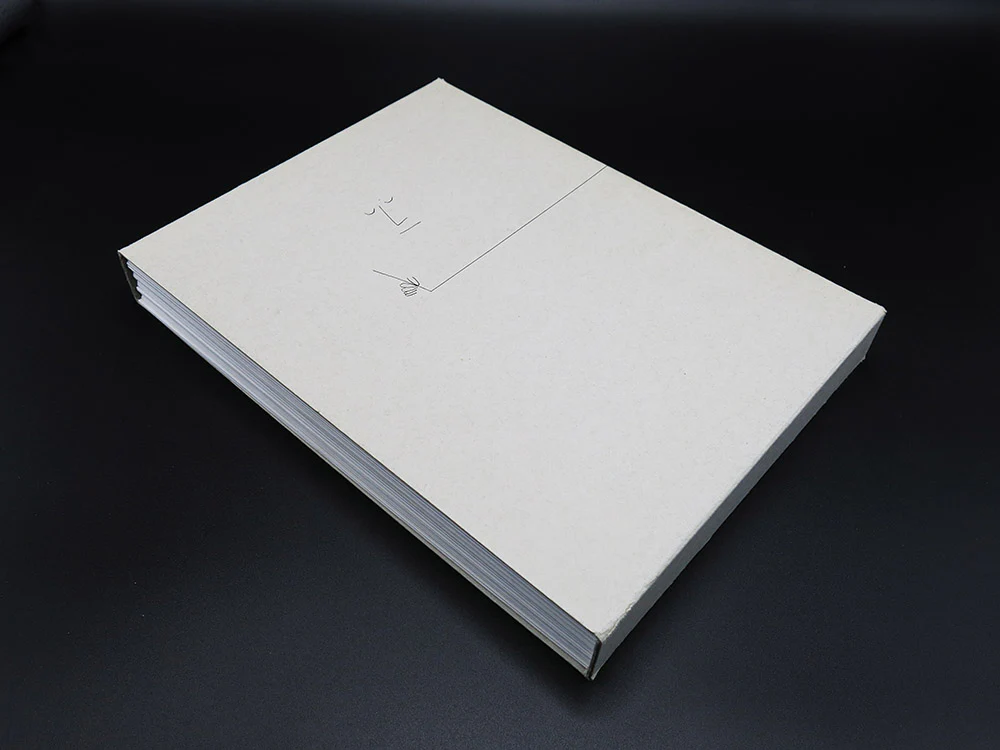
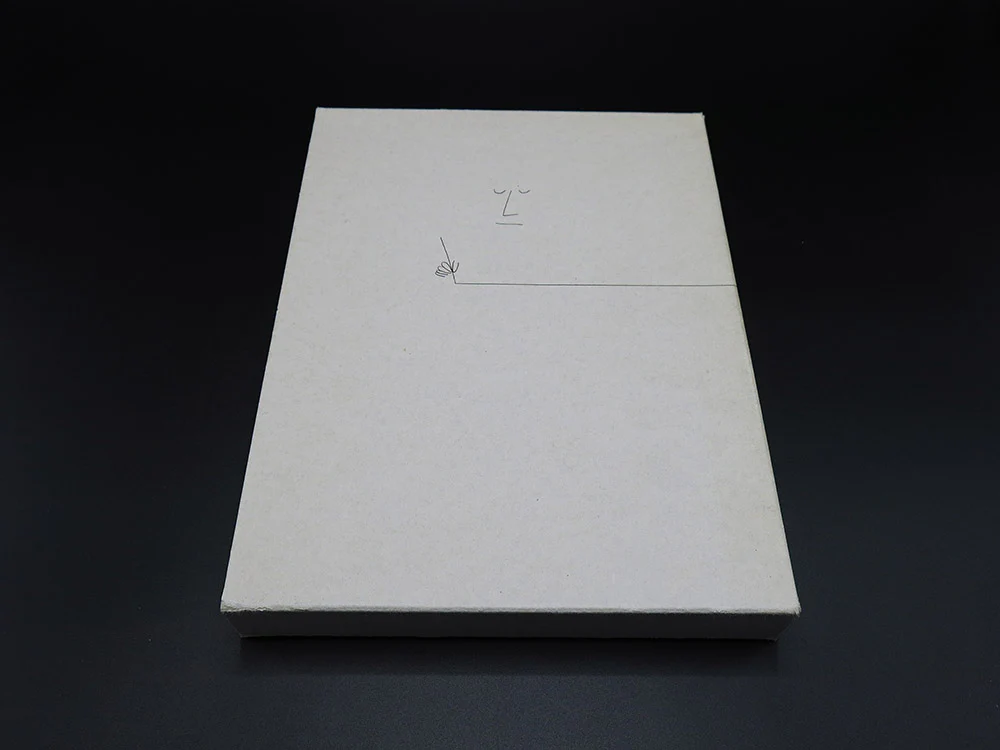
124 pages, 19.5 x 25.5 cm, softcover, Nieves x 50 Watts (Zurich).
124 pages, 19.5 x 25.5 cm, softcover, Nieves x 50 Watts (Zurich).
$35.97
Warja Lavater – Pictograms—
$35.97
More Images


Warja Lavater – Pictograms
An early progenitor of the artist's book genre, Warja Lavater was born in Winterthur, Switzerland in 1913. She worked as an illustrator for the magazine Jeunesse from 1944-1958, and moved to New York shortly thereafter where she began a wonderful series of artist's books. These books were published between 1962 and 1971, an exceptionally ripe time for artists to turn to the book form, a time when the most often cited 'first' artist's book also appeared, Twentysix Gasoline Stations (1962) by Ed Ruscha. Many of Lavater's books were made using the accordion-fold binding. Her aesthetic has been aptly described as 'very clean, very Swiss'. Each book tells a story, sequentially, like traditional books, but varying from them by rarely using words. Instead she chooses a symbol to represent, for example, a character, as in the red dot standing in for Red Riding Hood in Little Red Riding Hood.
124 pages, 19.5 x 25.5 cm, softcover, Nieves x 50 Watts (Zurich).
124 pages, 19.5 x 25.5 cm, softcover, Nieves x 50 Watts (Zurich).
Product Information
Product Information
Shipping & Returns
Shipping & Returns
Description
An early progenitor of the artist's book genre, Warja Lavater was born in Winterthur, Switzerland in 1913. She worked as an illustrator for the magazine Jeunesse from 1944-1958, and moved to New York shortly thereafter where she began a wonderful series of artist's books. These books were published between 1962 and 1971, an exceptionally ripe time for artists to turn to the book form, a time when the most often cited 'first' artist's book also appeared, Twentysix Gasoline Stations (1962) by Ed Ruscha. Many of Lavater's books were made using the accordion-fold binding. Her aesthetic has been aptly described as 'very clean, very Swiss'. Each book tells a story, sequentially, like traditional books, but varying from them by rarely using words. Instead she chooses a symbol to represent, for example, a character, as in the red dot standing in for Red Riding Hood in Little Red Riding Hood.
124 pages, 19.5 x 25.5 cm, softcover, Nieves x 50 Watts (Zurich).
124 pages, 19.5 x 25.5 cm, softcover, Nieves x 50 Watts (Zurich).